

 TAA PROJECT MANAGEMENT
 - Written by: admin
- August 7, 2025
Exploring Challenges and Opportunities
Dubai, renowned for its architectural marvels and innovative urban landscapes, has long stood as a beacon of construction excellence. From towering skyscrapers that define its skyline to bespoke home renovations that reflect its affluent lifestyle, the emirate is a hub of constant development. However, the construction and home renovation industry is facing a significant challenge: the acute shortage of skilled labor.
Understanding the Demand for Skilled Labor
The thriving construction and home renovation industry in Dubai is driven by ambitious projects, cutting-edge designs, and the need for precision craftsmanship. Whether it’s luxury apartments or intricate home renovations, skilled labor plays a pivotal role in ensuring superior quality and timely delivery.- High-profile projects: Dubai frequently undertakes large-scale developments such as the Expo 2020 centerpieces and innovative smart cities. These projects demand experienced professionals capable of executing complex engineering and design requirements.
- Growing home renovation market: With a rising trend among residents opting for personalized home renovations to suit modern aesthetics or sustainable living, skilled tradespeople such as carpenters, electricians, and plumbers are increasingly in demand.
- Global standards: The city’s commitment to maintaining high standards of construction and design necessitates laborers with specialized skillsets, certifications, and the ability to adapt to technological advancements.
The Shortage of Skilled Labor: A Pressing Issue
Despite the enormous demand, the availability of skilled labor in Dubai remains alarmingly low. This shortage stems from several factors:Heavy Reliance on Expatriate Workforce
Dubai’s construction labor market is predominantly reliant on expatriates, many of whom hail from South Asia, Africa, and Southeast Asia. However, with global uncertainties such as the COVID-19 pandemic and geopolitical tensions, migration patterns have been disrupted, leading to a dip in the influx of skilled workers.Limited Vocational Training Programs
While Dubai has invested heavily in education, vocational and technical training programs specifically targeting construction-related trades have not matched the pace of industry demand. The result is a gap between the skills required and those available locally.Attrition and Competition
Skilled workers are often highly sought after and may be lured away by competing industries or international opportunities offering better remuneration packages. This attrition further exacerbates the shortage.Impact on the Construction and Home Renovation Industry
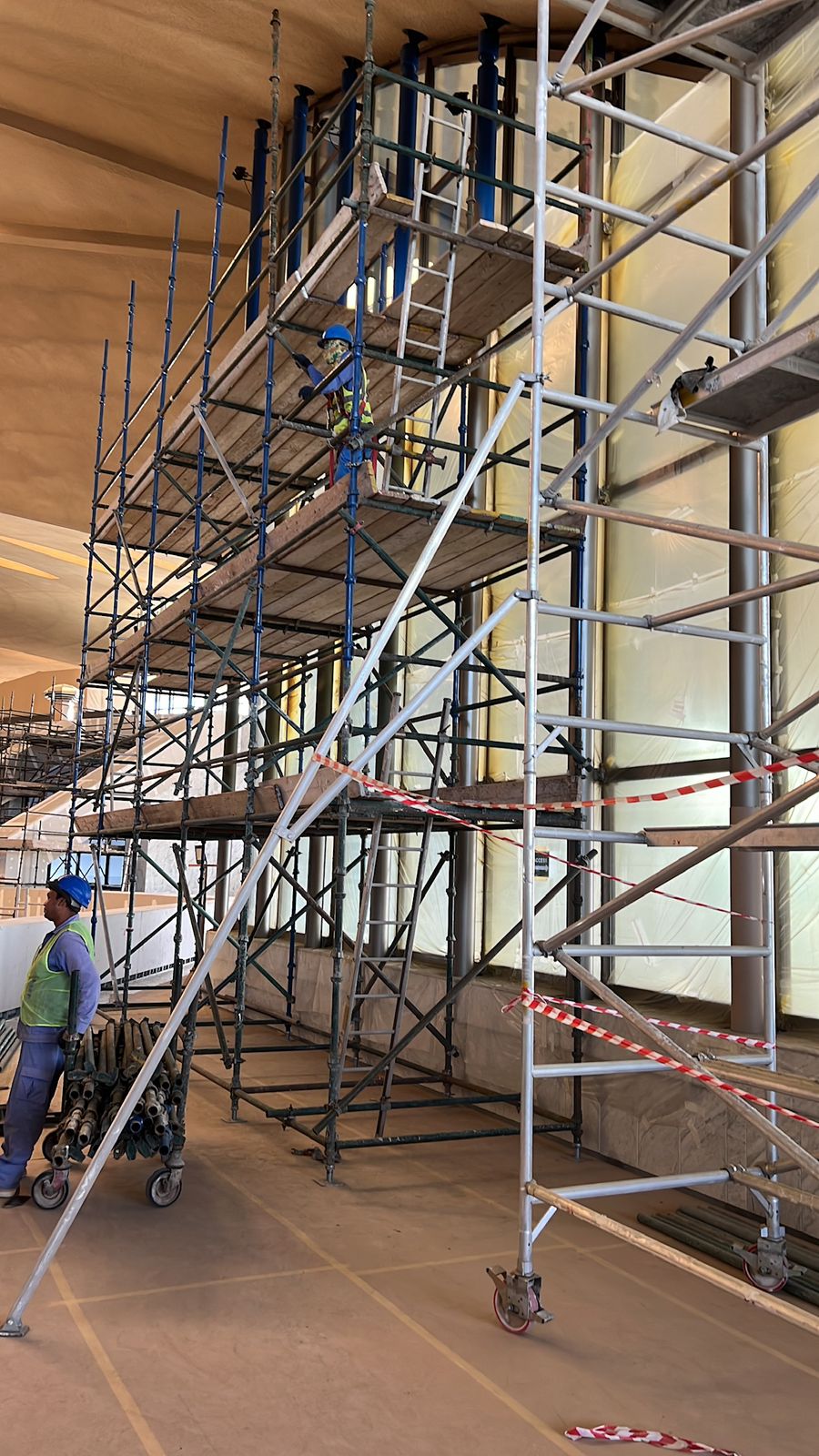
The lack of skilled labor has far-reaching implications for the industry:- Delays in project timelines: Insufficient manpower often results in extended timelines, causing frustration among stakeholders and increasing costs.
- Compromised quality: Inexperienced or untrained labor may lead to substandard workmanship, tarnishing the reputation of developers and contractors.
- Increased labor costs: With demand outstripping supply, wages for skilled workers have risen significantly, straining budgets.
Solutions to Bridge the Gap
Addressing the skilled labor shortage requires a multifaceted approach that includes investment, policy changes, and community engagement.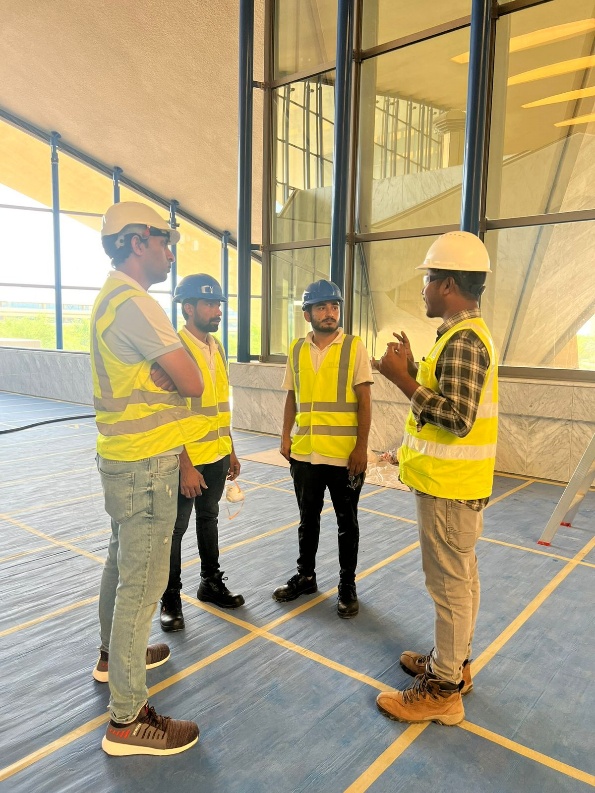
Promoting Vocational Training and Education
Dubai must prioritize vocational and technical education tailored to meet industry requirements. Establishing partnerships between educational institutions and construction firms can ensure that training programs align with real-world demands. Scholarships and incentives can also encourage young talent to pursue careers in skilled trades.Leveraging Technology
Adopting construction technologies such as prefabrication, robotics, and 3D printing can alleviate the pressure on human labor. These advancements not only reduce reliance on manpower but also ensure precision and efficiency.Attracting and Retaining Talent
Dubai can position itself as an attractive destination for skilled workers by offering competitive remuneration packages, a supportive work environment, and opportunities for career growth. Simplifying visa processes and enhancing living conditions for expatriates will also play a key role.Encouraging Local Workforce Participation
While expatriates remain vital to the industry, encouraging Emiratis to explore careers in skilled trades can create a more sustainable workforce. Awareness campaigns and programs highlighting the importance and prestige of skilled labor can help overcome cultural stigmas associated with manual work.Opportunities Amid Challenges
Though the shortage of skilled labor presents challenges, it also offers opportunities for innovation and growth. Companies can differentiate themselves by investing in workforce development, embracing sustainable practices, and leveraging technology to stay ahead of the curve. Furthermore, the emphasis on skilled labor underscores the importance of craftsmanship, which ultimately elevates the quality and durability of Dubai’s architectural landscape. This focus can contribute to the city’s long-term vision of being a leader in urban development and sustainability.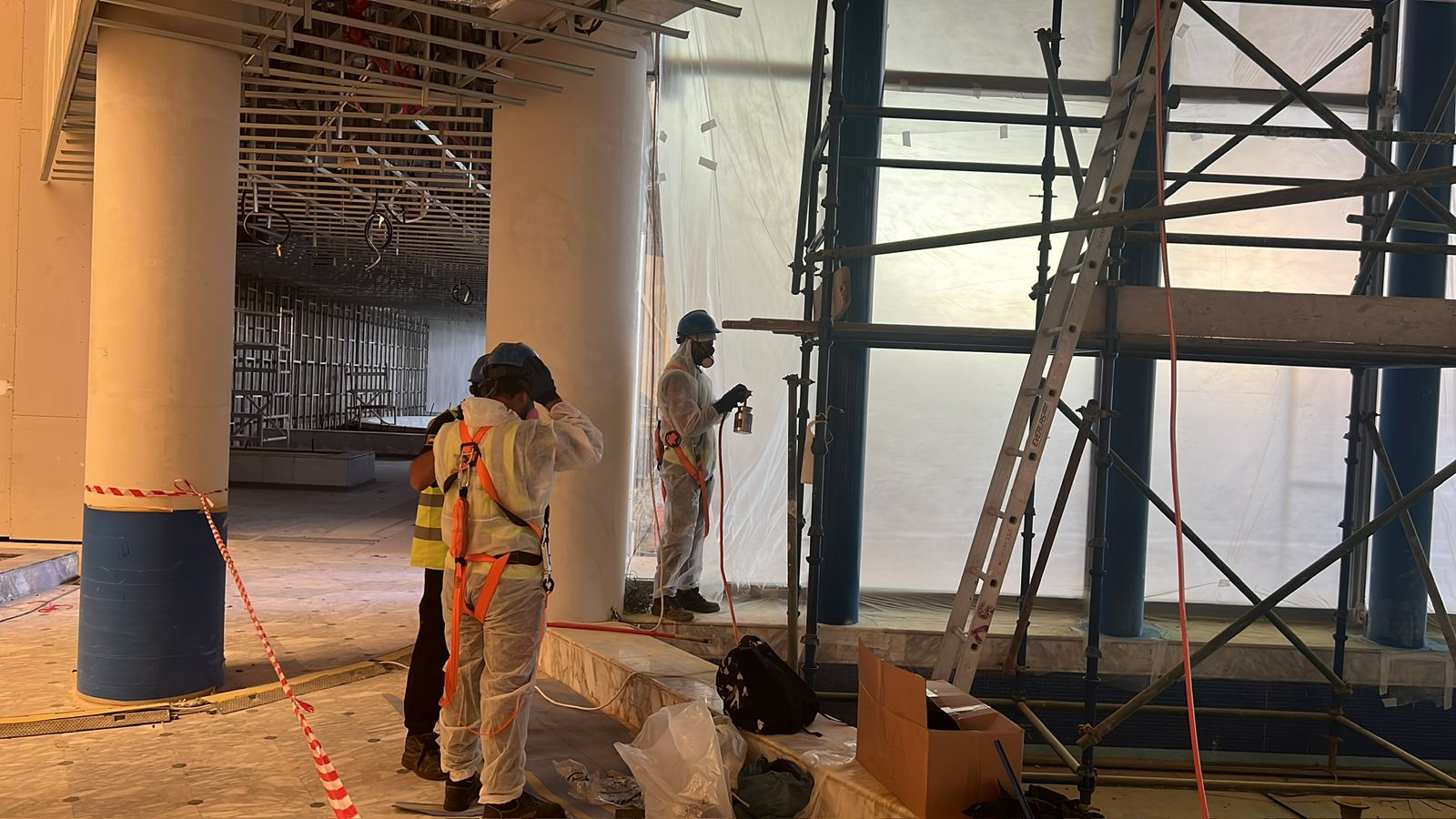
Conclusion
The construction and home renovation industry in Dubai stands at a crossroads, grappling with the high demand for skilled labor amid a glaring shortage. By addressing this issue through education, technological innovation, and policy reform, Dubai can pave the way for a resilient and thriving industry. As the emirate continues to grow and evolve, skilled labor will remain the cornerstone of its architectural achievements and cultural heritage.